
Kindergarten sponsorship — not name-based
It all starts here
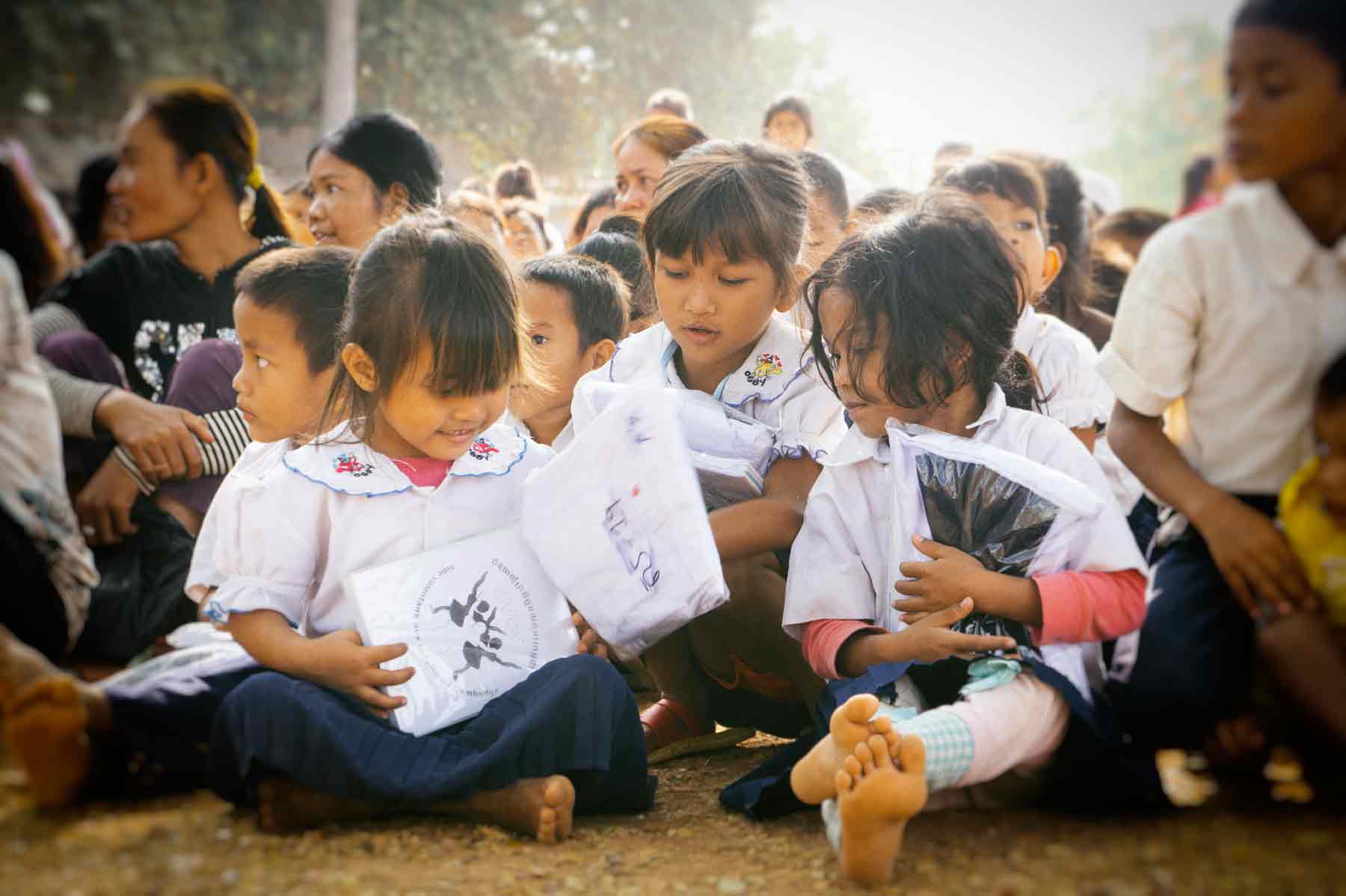
Nineteen children taken in from the age of three at the AVEC kindergarten in Battambang. The first link in the chain. The one without which everything else loses its effectiveness.
Why start so early
In Cambodia, before compulsory schooling starts, many children from families facing hardship have no structured childcare at all. No socialising, no early language learning, no pre-reading, no balanced meals. By the age of six, when primary school begins, the gap with other children is already there. And the longer it goes on, the wider it grows.
A child who benefits from quality pre-school education has thirty per cent more chance of finishing primary school. That thirty per cent is not a statistical footnote: it is the difference between a child heading towards qualification and a child who will leave the system before the age of twelve. The kindergarten is not a comfort. It is the most cost-effective investment in the whole AVEC chain.
What is learnt here, what is received here
Early language learning
Nursery rhymes, stories, first words. Learning to name what is around you. Learning to listen to someone speak. It is the foundation for all the learning that follows.
Physical and motor development
Holding a pencil, cutting, sticking, running, jumping, drawing. All the skills that children from well-off families pick up at home without even thinking about it. The ones that children from families facing hardship would not otherwise have the time to discover.
Socialising
Living as part of a group, sharing, waiting your turn, handling conflict without violence. Preparing the ground so that, at six, starting primary school is not an insurmountable wall.
Balanced meals
At least one full meal a day. For children whose diet at home sometimes amounts to little more than rice, this is a change in nutritional standard that shows up on their growth chart.
Medical follow-up
Regular check-ups, vaccinations, screening. Many children have never seen a doctor before arriving at the kindergarten. This is where growth delays are caught up on, disorders are picked up, and the irreversible is prevented.
Contact with families
The kindergarten is also our first point of contact with families facing hardship in the neighbourhood. The educators identify situations at risk, report what needs to be reported, and support the parents.
Become a sponsor of the kindergarten
The most accessible of the five formats, because the needs per child are more modest at this age. And the most effective in the long run: every franc invested here multiplies its impact across every programme that follows.
25 CHF
per month
Basic support
50 CHF
per month
Meals and care
90 CHF
per month
Full place
You can stop at any time. Donations are tax-deductible in Switzerland and France.
What you receive
The kindergarten’s quarterly newsletter
Four times a year: concrete updates on activities, photos from workshops (faces blurred), and accounts of small steps forward that are, in reality, big victories.
A welcome pack
A signed card, a photo of the teaching team, a detailed sheet on the actions funded, and anonymised drawings made by the children at the kindergarten.
A possible visit
Once or twice a year, AVEC organises sponsor visits to the kindergarten. You see the workshops, talk with the educators, and understand where your money goes.
Frequently asked questions
Why only nineteen children?
Because quality comes down to staffing levels. One educator for six children at this age is what allows for the individual attention that is needed. Increasing the number of children without increasing the team would lower the quality of care. We would rather keep to this standard and open a second kindergarten once we have the means to do so.
How are the children selected?
On social criteria: families in the neighbourhood facing hardship, parents often on their own (single mothers, one-parent families), children at educational risk. Identified by AVEC’s field teams and by our network of local partners.
What happens to these children after kindergarten?
Most go on to state primary school with measurably better integration than children who did not attend pre-school. Some later join our tutoring programmes. A few, sadly, have also been taken in at the shelter when their family situation broke down.
Why not show the children’s faces?
Because they are between three and six years old. They cannot consent to appearing in a fundraising campaign. Their privacy comes before marketing effectiveness. Our full ethical policy is explained here.